Effective Leak Detection: Protect Your Home From Hidden Water Damage
Reliable leak detection is fundamentally important in maintaining a home's integrity. Hidden water damage can result in significant repair costs and health hazards. Homeowners often overlook early signs, such as unexplained stains or musty odors. Through recognizing these warning signs and utilizing modern detection techniques, homeowners can safeguard their homes. Yet, a large number of homeowners are still uninformed about the best methods and resources at their disposal. What actions can be implemented to keep a home secure from these unseen risks?
Reasons to Make Leak Detection a Priority
What makes leak detection a priority for homeowners? Homeowners must recognize that undetected leaks can result in significant structural damage and costly repairs. Water penetration can weaken the integrity of walls, foundations, and electrical systems, resulting in unsafe living conditions. Moreover, persistent moisture can encourage mold proliferation, which creates significant health concerns for those living in the home.
Investing in proactive leak detection protects the home while also increasing property value. By identifying leaks early on, homeowners can minimize potential harm, thereby avoiding the financial burden associated with extensive repairs. Consistent inspections and sophisticated detection methods can expose underlying issues that could easily be overlooked. In the end, focusing on leak detection ensures the durability of the home and promotes a safer, healthier living space. By being vigilant, homeowners can protect their investment and maintain peace of mind.
Important Warning Signs of Water Leaks You Should Know
Even though water leaks can start out small, their indicators can grow more obvious if ignored. Residents should remain alert to several frequent warning signs of water leaks. A common indicator includes water stains appearing on ceilings or walls, that often present as yellowish or brown discoloration. Moreover, damp or stained areas on the floor can point to underlying moisture problems beneath.
Another red flag is the sound of dripping or running water when all fixtures are turned off. A sharp rise in the water utility bill, with no clear explanation, can also signal concealed leaks. Mold and mildew development in spaces such as bathrooms or basements is yet another telling sign of chronic moisture concerns. Finally, warped or buckled flooring may point to excessive moisture exposure. By recognizing these signs early, homeowners are able to take preventive steps to avoid extensive damage and expensive repairs.
Best Methods for Effective Leak Detection
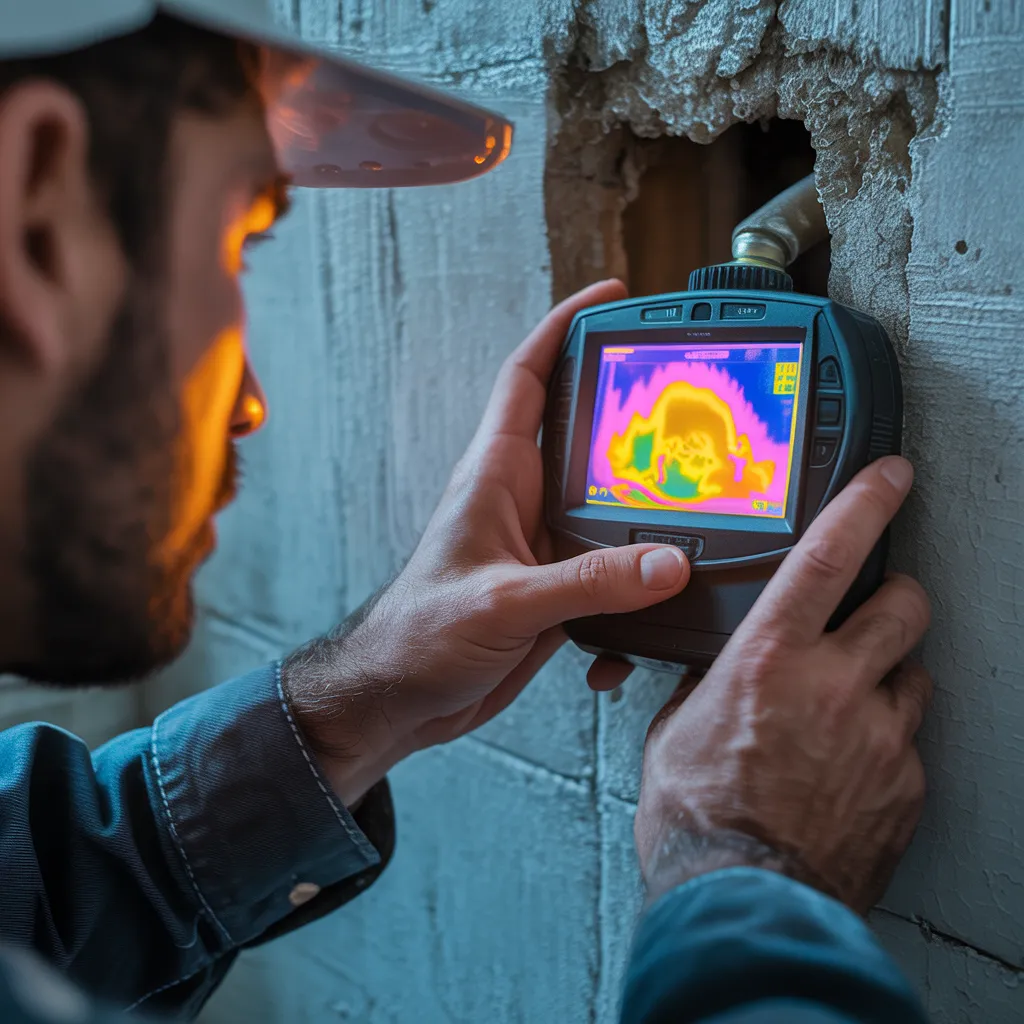
Recognizing water leaks early is essential for preserving a home's structural soundness and preventing extensive damage. Several approaches exist for effective leak detection, accommodating a range of needs and circumstances. Visual inspections often serve as the first line of defense; homeowners can check for obvious signs like water stains or mold growth. Infrared scanning is an additional technique that utilizes heat-based imaging to pinpoint thermal differences, indicating hidden leaks within walls or ceilings.
Acoustic leak detection utilizes sound waves to locate leaks, making it especially effective for concealed or buried pipes. Pressure testing requires observing the pressure levels in plumbing systems to detect irregularities that indicate potential leaks. Additionally, moisture meters can assess dampness in materials, delivering quantitative data on potential leak sources. All of these approaches present unique benefits, enabling homeowners to choose the most suitable approach for their specific needs and supporting preventative action against water damage.
Selecting Effective Leak Detection Tools for Your Home
How can homeowners guarantee they are equipped with the right tools for effective leak detection? Choosing the right equipment is critical for locating concealed leaks before they result in serious harm. Important equipment includes moisture meters, which measure the humidity level in walls and floors, helping to pinpoint damp areas. Infrared imaging devices are highly beneficial, as they reveal temperature fluctuations, pointing to potential leaks hidden behind walls.
Additionally, sound-based leak detection devices can identify the audio signal of water escaping from plumbing lines. For those who prefer manual methods, straightforward dye checks are effective for checking toilet plumbing leaks. Property owners should additionally look into acquiring automated leak detection solutions that send immediate warnings through mobile apps. At the end of the day, knowing the particular requirements of their home and the various potential leaks will assist residents in identifying the most suitable leak detection tools, ensuring they are well-prepared to protect against water damage.
Establishing Preventative Actions to Combat Water Damage
Water-resistant materials in basements, kitchens, and bathrooms can further reduce the risk of damage. Homeowners are encouraged to consider moisture detectors, which can notify them of leaks at an early stage. Thoughtful landscaping, such as sloping the ground away from the house, can effectively redirect water away from foundations. Above all, regulating indoor humidity levels can inhibit mold growth, which is commonly a result of unaddressed water issues. By taking these proactive steps, homeowners can greatly reduce the likelihood of costly water damage.
When Should You Call a Pro for Leak Detection?
When should homeowners consider calling a professional for leak detection? Property owners ought to reach out to an expert when they observe recurring damp patches, sudden and unexplained rises in their water bills, or an enduring musty scent that does not go away despite regular cleaning attempts. Additionally, if water stains appear on ceilings or walls, it might suggest an underlying leak that necessitates advanced diagnostic instruments. Trained specialists have the skills and tools, including thermal imaging cameras and moisture meters, to accurately pinpoint the origin of the issue.
Moreover, if self-directed repair efforts have not yielded results, seeking professional guidance is highly advisable to stop additional harm from occurring. Properties featuring aging pipework or newly completed remodeling work face an elevated likelihood of experiencing leaks, rendering a detailed guide thorough specialist inspection particularly important. In the end, timely intervention by a leak detection specialist can save homeowners from extensive repairs and costly water damage in the long run.
Questions We Often Receive
How Regularly Should I Look for Leaks in My House?
Property owners should check for leaks a minimum of two times per year, particularly around seasonal shifts. Periodic evaluations help identify potential issues early, reducing the risk of extensive damage and costly repairs linked to concealed water leaks across the home.
Is It Possible for Appliances Such as Dishwashers or Refrigerators to Develop Leaks?
Indeed, leaking can happen in appliances such as refrigerators and dishwashers. Over time, seals can deteriorate or hoses may sustain damage, causing potential water-related issues if not routinely checked and serviced.
What Are the Long-Term Impacts of Undetected Water Leaks?
Undiscovered water leaks can lead to significant structural damage, mold growth, higher utility bills, and health issues. Left unaddressed, these problems tend to escalate, leading to expensive repairs and a potential decrease in property value.
Are Leaks More Likely to Happen During Certain Seasons?
Pipe leaks are more common during winter, due to freezing temperatures causing pipes to burst, and in spring, when thawing snow combined with intense rainfall may exceed drainage capacity. Awareness of these seasonal patterns aids in preventive measures.
How Can I Determine if My Water Meter Is Detecting a Leak?
To determine if a water meter indicates a leak, the meter reading should be noted before and after a period of water inactivity. A change in reading suggests a possible leak in the system.